

Spiritual Essentials & Ancient herbal uses

Herbs & spiritual practice
Plants have long been used by many cultures and traditions around the world to aid in spiritual practices like astral travel, lucid dreaming and performing cleansing for healing ceremonies. Learn more below about specific herbs and how they can aid in your spiritual journey.
Spiritual Cleanses & baths
Cleansing in a spiritual bath not only removed blocked or stagnant energies but they are also known to remove toxins from the body. Salt baths have been used for centuries to sooth muscles and draw out toxins.
Religious & Ritual Ceremony
Sacred herbs and plants are not only for ingesting, they also serve as powerful tools to contact the spiritual realms. Many herbs are said to hold their own spirits from another dimension that can interact with people by setting the intention and following through with a ritual ceremony using the herbs.
Clearing Negative energy
Energetic forces are always at play here on the earth and sometimes these energies can be conflicting with our own values. Methods like smudging and burning incense can be used to clear away negative energies and restore balance.
Learn about specific herbs and their spiritual uses below
Frankincense
Frankincense has been used for thousands of years, especially in spiritual and religious contexts. In the Bible, it is mentioned as one of the gifts brought by the Magi to Jesus, symbolizing holiness and divinity. It has been utilized in various religious practices, including those of ancient Egyptian rituals where it was offered to ancestors and modern Christian ceremonies, often burned as incense during worship to enhance spiritual experiences and prayer. Frankincense is revered not only for its aromatic qualities but also for its numerous health benefits when consumed.
Dragons Blood Incense
Dragons blood resins & incense has a rich history in spiritual practices, often associated with protection and purification. It is commonly used in rituals to enhance meditation, increase potency in spellwork, and facilitate a connection to the spiritual realm. Cultures around the world have recognized the significance of dragons blood incense for its ability to ward off negative energies while promoting positivity and emotional well-being. Additionally, it is frequently incorporated into offerings or ceremonies to honor deities and ancestors.


Hyssop
Hyssop is an ancient herbal remedy celebrated for its benefits in spiritual cleansing noted in Psalms 51. It can help clear negative energies, promote feelings of peace and tranquility, and enhance spiritual connections. Used in teas, hyssop is known for its aromatic properties and is often employed in rituals to purify the atmosphere. Its use in natural remedies symbolizes renewal and protection, making hyssop a valuable herb for both physical and spiritual wellness.
Rose
Historically, dried rose petals have been cherished in various spiritual practices for their aromatic and symbolic properties. They have been used in rituals to promote love, harmony, and emotional healing. In many cultures, rose petals are added to incense and smudging blends, believed to enhance the energy of the space and offer a comforting presence. The practice of using rose petals as offerings to deities and in ceremonies helps to invoke blessings of love and compassion. Dried rose petals are commonly used in herbal teas, known for their soothing properties and pleasant flavor. Additionally, they are used for their aroma where the scent of roses is said to create a peaceful environment, making them a popular choice in meditation and mindfulness practices.
Palo Santo
Palo Santo, which means "holy wood" in Spanish, is derived from the Bursera graveolens tree, indigenous to South America. It has been used for centuries in spiritual practices by the indigenous peoples of the Andes. Traditionally, Palo Santo is burned to cleanse spaces of negative energy, promote relaxation, and enhance meditation. Many practitioners believe that its fragrant smoke has protective properties and can facilitate a deeper connection to the spirit world. In addition to its spiritual uses, Palo Santo has also found a place in modern wellness practices, where it is often utilized for aromatherapy or as a natural remedy for various ailments.


Sandalwood
Sandalwood has a rich and sweet aroma and is believed to promote calmness, enhance meditation, and facilitate spiritual awareness. In ancient India, sandalwood was used in Hindu rituals and ceremonies, where it was often ground into a paste and applied to deities or burned as incense. It is considered sacred and is often used in pujas (prayer ceremonies) to invoke spiritual presence. In Buddhism, sandalwood is associated with the teachings of the Buddha and is used for temple offerings and meditation. Additionally, in many indigenous cultures, sandalwood is used in cleansing rituals and ceremonies to promote healing and spiritual connection.
Basil
Basil, often referred to as the "king of herbs," has a rich history in various cultures, particularly in ancient traditions. In many spiritual practices, basil is considered a sacred herb, symbolizing love, protection, and purification. In Hinduism, it is associated with the goddess Tulsi and is often used in rituals and offerings. Ancient Egyptians used basil in their embalming processes, believing it to have protective qualities for the afterlife. Additionally, basil is thought to attract positive energy and is commonly used in blessings and rituals to ward off negativity. Its aromatic properties are also believed to enhance meditation and spiritual clarity, making it a favored herb in various cultural practices.
Chicory
Chicory, a plant with vibrant blue flowers, has been used since ancient times for its medicinal and spiritual properties. In various cultures, chicory has been associated with love and protection. The ancient Egyptians valued chicory for its ability to promote relaxation and enhance dreams. In European folk traditions, chicory was often used in rituals to attract good fortune and ward off negative energies. Additionally, it has been used in herbal remedies to support digestion and detoxification, reflecting its holistic benefits. Many also believe that chicory can help in connecting with one's inner self and fostering a sense of peace and clarity during meditation.


Vervain
Vervain, often referred to as "herb of the cross" in ancient times, has been used in various cultures for its spiritual properties. It was believed to have protective qualities, warding off evil spirits and negative energies. In ancient Rome, vervain was used in rituals and offerings to the gods, symbolizing purification and protection. Additionally, it was commonly used in love potions and charms, as it was thought to attract love and enhance relationships. In modern spiritual practices, vervain is still used for grounding, enhancing intuition, and promoting clarity in decision-making. Its historical significance and versatility make it a cherished herb in both ancient and contemporary spiritual traditions.
Aloe Vera
Aloe Vera, often referred to as the "plant of immortality," has been cherished for its healing properties and spiritual significance throughout history. In ancient Egypt, it was used not only for its medicinal benefits but also in rituals and as a symbol of protection and beauty. The Egyptians believed that Aloe Vera could enhance the afterlife, often using it in embalming processes. In traditional Chinese medicine, Aloe Vera is valued for its ability to cleanse and detoxify the body, promoting overall health. Its soothing gel is often used in rituals to promote healing and emotional balance, reflecting its deep-rooted connection to both physical and spiritual wellness.
Comfrey
Comfrey has traditionally been used to promote the healing of wounds and fractures due to its rich content of allantoin, which aids in cell regeneration. Spiritually, comfrey is often associated with protection and grounding, making it a popular choice in rituals aimed at fostering stability and strength. In some traditions, it is believed that carrying comfrey can enhance one's connection to the earth and promote a sense of inner peace. Additionally, comfrey has been used in herbal practices to support joint health and alleviate inflammation, reflecting its holistic approach to well-being. Many practitioners also incorporate comfrey in meditation rituals to deepen their spiritual practice and enhance their intuitive abilities.


Daisy
Daisy, often associated with purity and innocence, has been revered in various cultures for its spiritual significance. Traditionally, daisies were used in rituals to symbolize new beginnings and the renewal of life. They were often included in offerings to deities, representing hope and the beauty of nature. In herbal medicine, daisies are believed to possess anti-inflammatory properties and can be used to soothe skin irritations. Additionally, they are thought to promote emotional healing, helping individuals to release negative emotions and embrace positivity. The daisy's simple yet profound beauty makes it a beloved symbol in both spiritual practices and natural remedies.
Cypress
Cypress, often regarded for its spiritual and health benefits, has been utilized in various cultures for centuries. It is believed to promote emotional balance and provide protection against negative energies. In ritual practices, cypress is commonly used in purification ceremonies, symbolizing strength and resilience. Its wood is often burned as incense, creating a calming atmosphere conducive to meditation and reflection. Historically, cypress trees have been associated with mourning and remembrance, often planted in cemeteries as a symbol of eternal life. The essential oil derived from cypress is known for its therapeutic properties, aiding in respiratory health and promoting circulation.
Daffodil
Daffodil has been celebrated for its beauty and symbolism in various cultures, often representing renewal and new beginnings. Spiritually, daffodils are associated with hope and rebirth, making them a popular choice in spring rituals that celebrate the return of life after winter. In herbal practices, daffodil is believed to have properties that can uplift the spirit and promote emotional healing. Historically, daffodils have been used in folk medicine for their potential benefits in treating respiratory issues and boosting overall vitality. Their bright yellow blooms are also thought to attract positive energy and enhance one's connection to nature, making them a cherished element in many cultural celebrations and spiritual practices.


Echinacea
Echinacea is often celebrated for its immune-boosting properties. Traditionally, Echinacea was utilized in rituals to promote healing and protection, symbolizing strength and resilience. It is believed to enhance the body’s natural defenses, making it a popular choice in herbal medicine for preventing colds and infections. Additionally, Echinacea is thought to have anti-inflammatory effects, aiding in the relief of pain and discomfort. Its vibrant flowers are not only a beautiful addition to gardens but also serve as a reminder of the connection between nature and health. The use of Echinacea in both spiritual practices and health remedies highlights its importance in fostering a holistic approach to wellness.
Fenugreek
Fenugreek, often celebrated for its spiritual and health benefits, has been utilized in various cultures for centuries. It is believed to enhance emotional balance and provide protection against negative energies. In ritual practices, fenugreek is commonly used in purification ceremonies, symbolizing strength and resilience. Its seeds are often burned as incense, creating a calming atmosphere conducive to meditation and reflection. Historically, fenugreek has been associated with fertility and abundance, often used in traditional medicine to support various health issues. The essential oil derived from fenugreek is known for its therapeutic properties, aiding in digestive health and promoting overall well-being.
Figs
Figs have been celebrated for their rich flavor and numerous health benefits. Spiritually, figs are often associated with abundance, fertility, and prosperity, making them a significant element in various rituals and cultural practices. In many traditions, figs are used in offerings and ceremonies to invoke blessings and good fortune. Health-wise, figs are known for their high fiber content, which aids digestion and promotes gut health. They are also rich in antioxidants, vitamins, and minerals, contributing to overall well-being. Historically, figs have been utilized in folk medicine for their potential to alleviate ailments such as constipation and respiratory issues. Their sweet, succulent nature and nutritional value have made them a cherished fruit in many cultures, symbolizing nourishment and vitality.


Gardenia
Historically, gardenias have been used in various rituals to promote peace, love, and harmony, symbolizing purity and clarity of thought. The fragrant blooms are believed to enhance emotional well-being, making them a popular choice in aromatherapy and meditation practices. In many cultures, gardenias are associated with love and fidelity, often used in wedding ceremonies and as offerings in spiritual rituals. Their calming scent is thought to alleviate stress and anxiety, contributing to overall mental health. Additionally, gardenias are celebrated for their potential health benefits, including anti-inflammatory properties and skin-soothing effects.
Ginseng
Ginseng, often praised for its spiritual and health benefits, has been utilized in various cultures for centuries. It is believed to enhance vitality and energy levels, providing a sense of well-being and balance. In ritual practices, ginseng is commonly used to promote healing and protection, symbolizing strength and longevity. Its roots are often incorporated into traditional medicine, where they are thought to support immune function and improve mental clarity. Historically, ginseng has been associated with wisdom and prosperity, often used in ceremonies to invoke good fortune and health. The adaptogenic properties of ginseng are known to help the body cope with stress and enhance overall resilience.
Goats Rue
Goats rue is known spiritually to be associated with protection and purification, making it a popular choice in rituals aimed at warding off negative energies. In many traditions, goats rue is used in herbal offerings and ceremonies to invoke blessings and enhance spiritual clarity. Health-wise, goats rue is recognized for its potential to support lactation in nursing mothers and is believed to have properties that aid in digestion and metabolic health. Its historical significance is evident in folk medicine, where it has been employed to treat ailments such as digestive disorders and respiratory issues. The herb's unique characteristics and benefits have made it a valued component in both spiritual practices and traditional healing methods.


Hibiscus
Hibiscus flowers have been revered in various cultures for their spiritual significance and health benefits. Traditionally, they are used in rituals to promote love, peace, and harmony, often symbolizing beauty and the cycle of life. The vibrant blooms are believed to enhance emotional well-being and are commonly used in herbal teas and remedies for their calming effects. In many cultures, hibiscus is associated with femininity and is often used in ceremonies to honor women and their roles in society. The flowers are also celebrated for their health benefits, including antioxidant properties, support for heart health, and potential to lower blood pressure.
Blessed Thistle
Blessed Thistle, often regarded as a powerful herb in various spiritual and ancient practices, has been used for centuries across different cultures. It was believed to have protective qualities and was often used in rituals to ward off evil spirits. Traditionally, Blessed Thistle is associated with the heart and is thought to promote emotional healing and courage. In herbal medicine, it has been used to support digestive health and is often included in herbal blends for its purported ability to enhance overall well-being. Additionally, in some cultures, it is used in blessings and ceremonies to invoke strength and resilience, making it a significant herb in spiritual practices.
Cedar
Cedar, a tree revered in many cultures, has been used since ancient times for its spiritual significance. In various indigenous cultures, cedar is considered a sacred tree, often used in rituals for purification and protection. The Native American tribes utilize cedar in smudging ceremonies to cleanse spaces and individuals of negative energies. Additionally, cedar wood is often used to create sacred objects and tools, symbolizing strength and resilience. In ancient Egypt, cedar was valued for its durability and was used in the construction of temples and tombs, reflecting its importance in spiritual practices. The aromatic properties of cedar are also believed to promote tranquility and enhance meditation, making it a favored choice for creating a peaceful environment.


Juniper
Juniper has been used in various cultures for its spiritual significance and protective qualities. In ancient times, it was often used in purification rituals, believed to cleanse spaces of negative energies and evil spirits. The indigenous peoples of North America utilized juniper in ceremonies for healing and protection, often burning the berries or branches as incense. In ancient Rome, juniper was associated with the goddess Diana and was used in rituals to invoke her blessings. Additionally, it was thought to enhance intuition and promote clarity. Its aromatic properties were also believed to ward off illness and misfortune, further solidifying its role as a sacred plant across different cultures.

Patchouli
Patchouli has been recognized for centuries in various cultures for its aromatic and therapeutic properties. In ancient times, it was used in traditional medicine to treat ailments such as headaches, skin disorders, and digestive issues. The scent of patchouli is believed to ground the spirit and promote emotional balance. In many cultures, patchouli is used in rituals to attract positive energy and ward off negativity. Its significance extends to being a symbol of love and prosperity, often incorporated into ceremonies and offerings to enhance spiritual connections and manifest intentions.
Myrrh
Myrrh has been utilized since ancient times in various cultures and was used as incense during religious ceremonies, symbolizing purification and the divine. Myrrh was also employed in traditional medicine for its healing attributes, believed to aid in wound healing and to possess anti-inflammatory effects. Its significance extends to burial rituals, where it was used to anoint the dead, reflecting a deep connection to the afterlife and the spiritual realm. The essence of myrrh continues to be celebrated in modern holistic practices, embodying a link between the physical and spiritual worlds.


Marigold
Marigold has a rich history of use in various cultures, often associated with the sun and its vibrant colors symbolizing warmth and positivity. In ancient traditions, marigold was used in rituals to honor deities and celebrate the changing seasons. Its bright blooms were believed to attract good fortune and ward off negative energies. In spiritual practices, marigold is often included in offerings and used in ceremonies to promote healing and protection. The flower's essence is thought to enhance clarity and insight, making it a favored choice for those seeking to deepen their spiritual journey. Additionally, marigold is commonly used in festivals and celebrations, symbolizing joy and the beauty of life.
Mullein
Mullein has been utilized historically in herbal medicine to treat respiratory issues, such as coughs and bronchitis, due to its soothing effects on the throat and lungs. The leaves of the mullein plant are often made into teas or tinctures to harness their health benefits. Spiritually, mullein is believed to provide protection and is sometimes used in rituals to enhance intuition and clarity. Its presence in ceremonies is thought to promote healing and connection to the earth, making it a valued herb in both health and spiritual practices.
Rue
Rue has been used since ancient times in various cultures, particularly in Mediterranean regions. It was often associated with protection and was believed to ward off evil spirits. In ancient Rome, rue was used in rituals and as a medicinal herb, thought to have various health benefits including anti-inflammatory and digestive properties. It has also been used in traditional medicine to treat ailments such as headaches and digestive issues. The herb is often found in gardens and is recognized for its strong aroma and bitter taste. Rue's spiritual significance is reflected in its use in various folk traditions, symbolizing purification and healing, and it continues to be valued in modern herbal practices for its potential health benefits.


Witch Hazel
Witch hazel is a versatile herb with a rich history of use in traditional medicine, particularly among Native American tribes. Historically, witch hazel has been used for its astringent properties, making it a popular remedy for skin irritations, bruises, and inflammation. The bark and leaves of the plant are often distilled to produce an extract that is widely used in skincare products. In addition to its topical applications, witch hazel is also believed to have anti-inflammatory and antioxidant effects. Spiritually, witch hazel is associated with purification and protection, often used in rituals to cleanse negative energies and promote emotional balance. Its calming properties make it a favored choice for those seeking to enhance their spiritual practices and connect with nature.
Sage
Sage, particularly white sage, is revered for its purifying properties. Burning sage in a ritual known as smudging, is believed to cleanse spaces and individuals of negative energy, promoting healing and mindfulness. The fragrant smoke is thought to create a sacred atmosphere conducive to meditation and prayer. Additionally, sage can be used to improve brain function, lower inflammation, prevent chronic diseases & boost the immune system.
Cinnamon
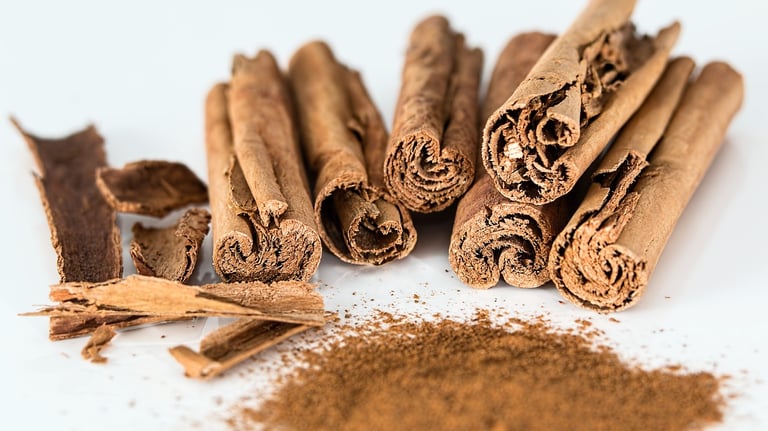
Cinnamon, a fragrant spice derived from the bark of cinnamon trees, has been revered for centuries not only for its flavor but also for its potent healing properties. Cinnamon is often employed to invoke warmth, protection, and purification. It is commonly used in rituals to enhance meditation, and facilitate deeper connections to the divine. Many incorporate cinnamon into teas or potions to attract positive energy and promote emotional balance.



Rosemary
Rosemary is one of the most versatile herbs with a wide array of healing benefits. Spiritually, it is used for grounding and warding off negative energy. In ancient cultures, rosemary was often burned as incense in rituals and was believed to enhance memory and promote mental clarity. It was also used in weddings and funerals, symbolizing remembrance and fidelity. Additionally, rosemary has been associated with protection and purification, making it a popular herb in various spiritual practices.
Wormwood
Wormwood, a potent herb known for its strong aroma and bitter flavor, offers a variety of health benefits that make it a valuable addition to your detox remedies. It is rich in essential nutrients, including vitamins A, C, and E, as well as minerals like iron and magnesium. Traditionally used to stimulate digestion, enhance liver function, and promote the elimination of toxins from the body. Wormwood's bitter compounds may also help in reducing inflammation and combating oxidative stress, making it an effective ally in holistic health practices. Traditionally used in various cultures, this herb is believed to cleanse energy, promote clarity of thought, and elevate spiritual awareness.
Moringa Leaf
Moringa, often referred to as the "miracle tree," is packed with essential vitamins and minerals. Moringa leaves are an excellent source of vitamins A, C, and E, which play pivotal roles in boosting immunity. Additionally, its high protein content, alongside substantial amounts of calcium, potassium, and iron, enhances muscle development and supports bone strength. Whether consumed as a powder, tea, or in its raw form, moringa can significantly enhance health and vitality. In traditional Ayurvedic medicine, Moringa is known as a powerful detoxifier and is believed to cleanse the body of toxins, promoting physical and spiritual well-being. Ancient Egyptians used Moringa for its anti-inflammatory properties, applying its leaves for both health and spiritual cleansing rituals.


Thyme
Thyme has been revered since ancient times for its spiritual significance and medicinal properties. In various cultures, it was used in rituals and ceremonies, often burned as incense to purify spaces and ward off negative energies. The ancient Egyptians utilized thyme in their embalming processes, believing it to be a sacred herb that aided in the journey to the afterlife. In medieval Europe, thyme was associated with bravery and was often given to knights before they went into battle. Additionally, it was believed to attract fairies and was used in love potions. Beyond its cultural significance, thyme is also known for its antiseptic and antimicrobial properties, making it a valuable herb in traditional medicine.
Raw Cacao
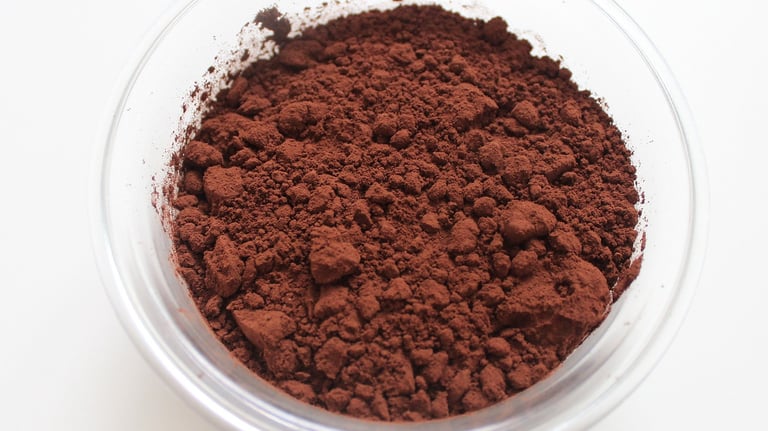
Raw cocoa is renowned not only for its delightful flavor but also for its myriad of health benefits. Packed with antioxidants, it supports cardiovascular health by improving blood flow and reducing cholesterol. The presence of flavonoids in raw cocoa can enhance mood and cognitive function, making it a natural remedy for stress and anxiety. Additionally, it serves as a source of essential minerals like magnesium and iron. Raw cocoa has deep spiritual significance in various cultures often used in rituals and ceremonies, it is believed to open the heart and create a deeper connection to one’s inner self.
Bay Leaf
Bay leaves, known for their aromatic presence in culinary dishes, also boast a rich history of healing properties and spiritual significance. Traditionally, bay leaves are believed to possess anti-inflammatory and antioxidant qualities, making them a valuable addition to herbal remedies for ailments such as digestive issues and respiratory problems. Many cultures burn bay leaves as part of purification rituals, believing that the smoke helps to cleanse negative energies and promote mental clarity. The act of writing intentions on bay leaves and then burning them is a popular practice for manifesting desires and attracting positive energy.


Lavender
Lavender is known not only for its fragrance but also for its numerous health and spiritual benefits. Traditionally used in aromatherapy, lavender essential oil is believed to alleviate stress, promote relaxation, and improve sleep quality. Its calming properties extend to cultural practices, where it has been employed in rituals and ceremonies to enhance meditation and spiritual awareness. Many cultures have infused lavender in sacred spaces and used it in healing practices promoting emotional well-being and clarity.
Oak
The oak tree has been recognized in various cultures throughout history, often symbolizing strength, endurance, and wisdom. In ancient Celtic traditions, the oak was considered sacred and was associated with the god of thunder, Taranis. It was believed that the oak tree could connect the earthly realm with the divine, making it a popular choice for rituals and ceremonies. The wood of the oak was used to create sacred spaces and altars, and its acorns were often used in divination practices. Additionally, the oak's longevity and resilience made it a symbol of protection and stability, often planted near homes to ward off negative energies. In many cultures, the oak is also seen as a source of nourishment and healing, with its bark and leaves used in traditional medicine for various ailments.
Willow
The willow tree is known for its spiritual significance in many traditions and symbolizes flexibility, resilience, and the ability to adapt to change. The willow is often associated with the moon and water, representing intuition and the subconscious. In ancient Celtic culture, willow branches were used in rituals and ceremonies to connect with the spirit world. Additionally, the bark of the willow has been used for its medicinal properties, particularly for pain relief and inflammation, making it a valuable resource in herbal medicine. The tree's graceful appearance and ability to thrive in wet environments have made it a symbol of fertility and growth in many cultures.


Eucalyptus
Eucalyptus has been used in various indigenous cultures for its medicinal properties and spiritual significance. Traditionally, it has been used in rituals to cleanse spaces and promote healing. The leaves are often burned as incense to purify the air and ward off negative energies. Eucalyptus is also known for its ability to enhance respiratory health, making it a staple in traditional medicine for treating colds and respiratory ailments. Culturally, it symbolizes protection and resilience, often associated with the spirit of the land. Its soothing aroma is believed to facilitate meditation and connection to the spiritual realm, making it a valuable ally in holistic practices.
Mugwort
Mugwort has a long history of usage as a herb for spiritual practice including astral travel & divination. It has also been used in acupuncture treatments as well as an incense to cleanse divination tools like crystals, oracle cards & pendulums. The herb is also used to help with anxiety and increase energy, aid with irregular menstruation, digestion, high blood pressure and can be used as a liver tonic.
Blue Lotus
The blue lotus, renowned for its profound symbolism, has been utilized for centuries to enhance astral travel and was widely used in Ancient Egypt as a tea. It is celebrated for its potential benefits in promoting relaxation, alleviating stress, and improving sleep quality. The plant contains alkaloids and flavonoids that may contribute to its calming effects, making it a favored choice for those seeking natural healing. It also serves as a symbol of enlightenment and rebirth.


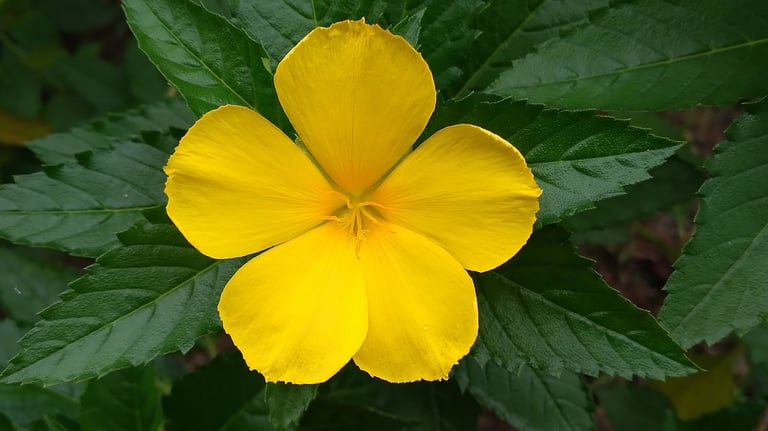

Damiana
Damiana has been traditionally used by indigenous cultures and is known for its ability to enhance mood, reduce anxiety, and boost overall well-being. This herb is often used as an aphrodisiac, promoting sexual health and vitality. Additionally, damiana is believed to help with digestive issues and support hormonal balance. On a spiritual level, it is thought to promote connection with higher energies and facilitate meditation, making it a powerful ally in holistic practices.
Always consult with a health practitioner before taking any herbal remedy for health improvement. The data provided is for informational purposes only.


