

Comprehensive Guide to Natural Plant Medicine
& Potential Benefits
Activated Charcoal
Activated charcoal, known for its numerous health benefits, has been utilized since ancient times for its detoxifying properties. It is often used to treat poisonings or overdoses by trapping toxins and chemicals in the gut. Additionally, activated charcoal can help reduce cholesterol levels, improve digestive health, and enhance skin health by preventing acne. Also, its ability to reduce gas and bloating makes it a popular natural remedy. In the past, various cultures used charcoal for medicinal purposes, highlighting its long-standing reputation as a valuable health resource.
Hyssop
Hyssop is an ancient herbal remedy celebrated for its benefits in spiritual cleansing noted in Psalms 51. It can help clear negative energies, promote feelings of peace and tranquility, and enhance spiritual connections. Used in teas, hyssop is known for its aromatic properties and is often employed in rituals to purify the atmosphere. Beyond its cleansing properties, hyssop is recognized for its healing attributes; it contains antioxidants and is believed to support respiratory health, helping to alleviate coughs and colds. Its use in natural remedies symbolizes renewal and protection, making hyssop a valuable herb for both physical and spiritual wellness.


Hawthorn Berry
The Hawthorn plant including its berries has been recognized for its beneficial effects on heart health since ancient times. Historically, it was used in traditional medicine to treat various heart-related conditions. It is rich in antioxidants, which are believed to support heart function, reduce blood pressure, and improve circulation. Studies suggest that hawthorn may enhance cardiac performance, making it an effective remedy for many heart conditions. Aside from its heart health benefits, hawthorn berry can also help with anxiety, digestion, and overall wellness, providing a holistic approach to maintaining health.
Motherwort (Leonurus Cardiaca)
Motherwort is a herb that has been used for centuries in traditional medicine, particularly in Europe and Asia. It is known for its calming effects and is often used to alleviate anxiety and stress. The herb is also recognized for its potential benefits in women's health, particularly in regulating menstrual cycles and easing symptoms of menopause. Historically, motherwort was used by herbalists to support heart health and improve circulation. Its leaves and flowers can be found in temperate regions, often growing in fields and along roadsides. The herb has a long history of use in folk medicine, where it was valued for its ability to promote relaxation and support overall well-being.
Eyebright Herb (Euphrasia)
Eyebright is a herb traditionally used for its potential benefits in supporting eye health. It is often found in grassy areas and meadows across Europe and North America. Historically, eyebright has been utilized in herbal medicine for centuries, with references dating back to ancient times. It is believed to help alleviate eye-related issues such as irritation and inflammation, and is sometimes used in eye washes and compresses. Additionally, eyebright is thought to possess anti-inflammatory and antioxidant properties. Its use in folk medicine highlights its significance in natural healing practices, making it a valuable herb for those seeking to enhance their eye health and general well-being.


Neem
Neem, often referred to as the "miracle tree," has been celebrated for its numerous health benefits throughout history. Found primarily in the Indian subcontinent, it has been used in traditional Ayurvedic medicine for centuries. The leaves, bark, and seeds of the neem tree are known for their antibacterial, antiviral, and antifungal properties. Neem is commonly used to treat skin conditions, improve dental health, and boost the immune system. Additionally, it has been recognized for its potential in managing diabetes and promoting liver health. Its holistic applications make neem a valuable herb in both historical and modern medicine.
Star Anise
Star anise, a spice derived from the fruit of the Illicium verum tree, is known for its distinct flavor and numerous health benefits. It is commonly found in Asian cuisine, particularly in Chinese and Vietnamese dishes, and is often used in traditional medicine. Historically, star anise has been utilized for its antimicrobial properties, aiding in digestion, and as a remedy for respiratory issues. Its rich antioxidant content helps combat oxidative stress, while its anti-inflammatory properties may assist in reducing inflammation. Additionally, star anise is recognized for its potential to improve sleep quality and boost the immune system. Over time, various cultures have embraced star anise not only for its culinary uses but also for its medicinal applications
Yarrow
Yarrow is an adaptable herb celebrated for its many health advantages. It has been utilized for centuries across different cultures due to its healing properties. Typically found in temperate areas of the Northern Hemisphere, yarrow flourishes in meadows and along roadsides. Traditionally, it has been used to treat injuries, lessen inflammation, and ease fevers. The herb is also acknowledged for its capacity to enhance digestive health and is occasionally used to alleviate menstrual discomfort. Furthermore, yarrow is commonly found in herbal teas and tinctures, making it a fundamental component in natural medicine cabinets.


Pau d'arco
Pau d'arco, derived from the inner bark of the Tabebuia tree found in the Amazon rainforest and other tropical regions, has been used for centuries in traditional medicine. It is known for its anti-inflammatory, antifungal, and antibacterial properties. Historically, indigenous peoples have utilized pau d'arco to treat various ailments, including infections, fevers, and inflammation. The herb is rich in compounds such as lapachol and beta-lapachone, which are believed to contribute to its health benefits. In modern herbal medicine, pau d'arco is often used to support immune function and promote overall wellness, making it a valuable addition to holistic health practices.
Gotu Kola
Gotukola, also known as Centella Asiatica, is a remarkable herb renowned for its numerous health benefits and therapeutic properties. It is commonly found in tropical and subtropical regions, particularly in Asia, where it has been used for centuries in traditional medicine practices. Historically, it has been utilized to enhance cognitive function, promote wound healing, and improve skin health, making it a versatile addition to various herbal formulations. The herb is believed to support circulation and reduce anxiety, making it a popular choice in herbal remedies and wellness products. Its long-standing use in various cultures highlights its significance as a natural health resource. As more people seek natural alternatives for health and wellness, Gotukola remains a prominent herb in the field of herbal medicine, celebrated for its efficacy and holistic approach to health.
St. John Wort
St. John Wort is a well-known herb that has been used for centuries, particularly in the treatment of mild to moderate depression. It is believed to work by increasing the levels of certain neurotransmitters in the brain, such as serotonin, which can help improve mood and alleviate feelings of anxiety. Historically, St. John Wort has been used in various cultures for its mental health healing properties. In addition to its mood-enhancing effects, it has also been used to treat wounds, burns, and other skin conditions due to its anti-inflammatory properties. Today, it is commonly available in various forms, including teas, capsules, and extracts, making it accessible for those seeking natural remedies for mental and emotional wellness.


Ginko Biloba
Ginkgo biloba, often referred to as ginkgo, is a unique tree species native to East Asia. It has been used in traditional medicine for thousands of years, primarily for its potential cognitive benefits. Ginkgo is believed to enhance memory and improve blood circulation, particularly in the brain. Its antioxidant properties may help protect against oxidative stress, which is linked to age-related cognitive decline. Historically, ginkgo leaves have been used to treat various ailments, including respiratory issues and circulatory disorders. Today, ginkgo biloba extracts are commonly used as dietary supplements to support mental function and overall brain health.
Soursop
Soursop, also known as Graviola, is a tropical fruit found in the Americas, particularly in the Caribbean and parts of South America. The fruit and leaves of the soursop tree have been used for centuries in traditional medicine. Rich in vitamins, minerals, and antioxidants, soursop is known for its potential anti-cancer properties, as some studies suggest that compounds in soursop may help inhibit the growth of cancer cells. Additionally, soursop is often used to alleviate symptoms of stress and anxiety, thanks to its calming effects. The leaves can be brewed into tea, which is traditionally used to promote relaxation and improve sleep quality. Furthermore, soursop is rich in vitamin C, which supports the immune system, and its anti-inflammatory properties may help reduce inflammation in the body.
Fennel Seed
Fennel seeds are known for their numerous health benefits, including aiding digestion, reducing inflammation, and providing antioxidant properties. They are commonly found in Mediterranean cuisine and are often used in herbal teas and as a spice in various dishes. Historically, fennel seeds have been utilized in traditional medicine for centuries, believed to help with respiratory issues and to promote overall wellness. Additionally, fennel seeds symbolize strength and longevity in various cultures, reflecting their importance in both culinary and medicinal practices.


Cloves
Cloves are known for their numerous health benefits, including their ability to aid digestion, reduce inflammation, and provide antioxidant properties. They are rich in eugenol, a compound that has been shown to have anti-inflammatory and analgesic effects. Historically, cloves have been used in traditional medicine for their antiseptic properties and to relieve toothache. They are commonly found in various cuisines around the world, particularly in spice blends and as a flavoring in both sweet and savory dishes. Additionally, cloves have been utilized in herbal remedies for respiratory issues and to enhance overall immune function.
Goldenseal
Goldenseal, a perennial herb native to North America, is known for its medicinal properties. Historically, it has been used by Native American tribes for various ailments, including digestive issues, respiratory infections, and skin conditions. The active compound, berberine, is believed to have antimicrobial and anti-inflammatory effects, making it beneficial for treating infections and promoting overall health. Goldenseal is often found in wooded areas and is typically harvested in the wild. Its use has persisted through centuries, and it remains popular in herbal medicine today for its potential to support immune function and enhance digestive health.
Black Walnut
Black walnut is known for its numerous health benefits, including its ability to support heart health, improve digestion, and detox parasites. It is rich in omega-3 fatty acids, antioxidants, and essential vitamins and minerals. Historically, black walnut has been used in traditional medicine for its anti-inflammatory and antimicrobial properties. It can be found in various regions across North America, particularly in the eastern United States, where it grows in rich, well-drained soils. The wood of the black walnut tree is also highly valued for its durability and beauty, making it a popular choice for furniture and cabinetry. Additionally, the hulls of black walnuts have been used to create natural dyes and in herbal remedies for centuries.


Black Seed (Nigella Sativa)
Black seed, also known as Nigella sativa, has been used for centuries in various cultures for its health benefits. It is known to possess anti-inflammatory, antioxidant, and immune-boosting properties. Historically, it has been utilized in traditional medicine for a variety of ailments, including respiratory issues, digestive problems, and skin conditions. Black seed oil is often extracted from the seeds and is used in culinary applications as well as in herbal remedies. It is found in regions such as the Middle East, North Africa, and parts of Asia, and has been referenced in ancient texts, including the writings of Hippocrates and the Bible, highlighting its long-standing significance in herbal medicine.
Mushrooms
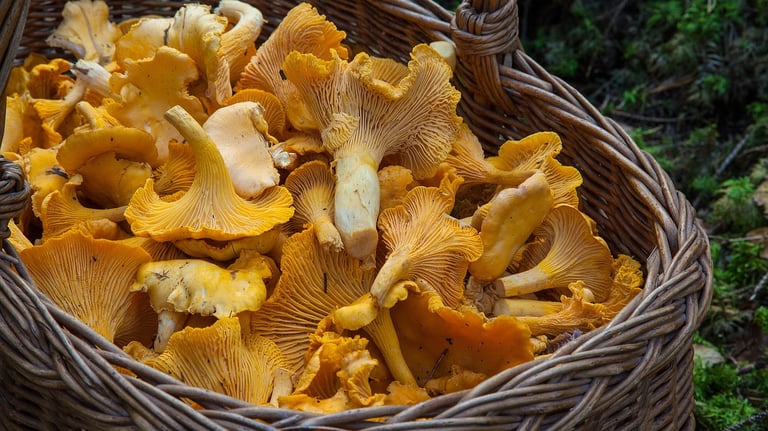
Mushrooms found in nature offer a remarkable array of health benefits and healing properties that can enhance overall well-being. Rich in essential nutrients, these fungi are packed with vitamins, minerals, and antioxidants that support immune function and combat oxidative stress. Certain varieties, such as reishi and lion's mane, are known for reducing inflammation, boosting cognitive function, and promoting relaxation. Additionally, mushrooms can benefit heart health by improving cardiovascular function.
Elderberry
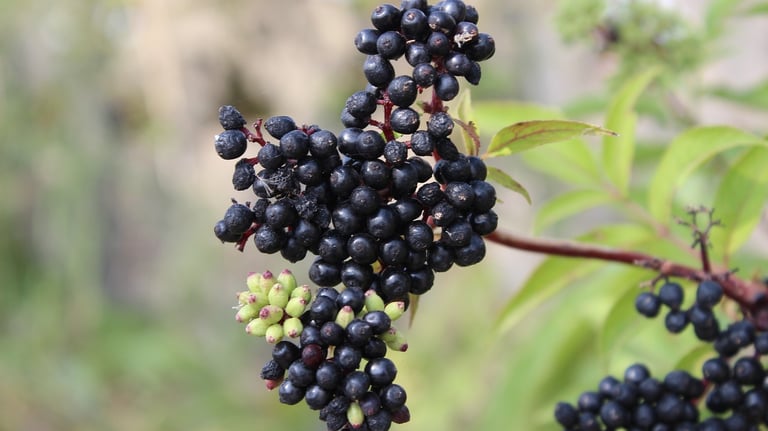
Elderberry, derived from the elder tree, is renowned for its numerous health benefits and healing properties. Rich in antioxidants, vitamins, and minerals, elderberry is particularly valued for its ability to boost the immune system, helping to ward off common illnesses such as colds and flu. Studies suggest that elderberry extracts can reduce the severity and duration of viral infections, making it a popular natural remedy. Additionally, its anti-inflammatory properties may assist in alleviating symptoms of respiratory issues and allergies.


Honey
Raw honey is a natural elixir with numerous health benefits that can enhance overall well-being. Packed with antioxidants, it plays a crucial role in neutralizing free radicals, thereby reducing oxidative stress and potentially lowering the risk of chronic diseases. Its antibacterial and antifungal properties make raw honey a powerful agent for wound healing, helping to prevent infection and promote tissue regeneration. Additionally, it can soothe sore throats and alleviate coughs, making it a popular remedy during cold seasons.
Tumeric
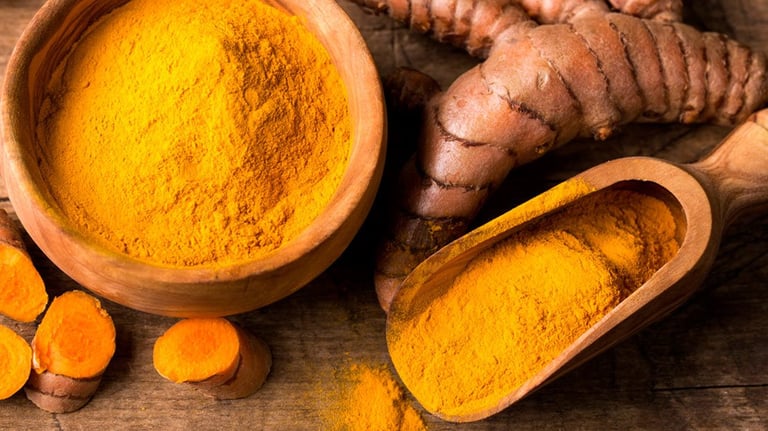
Turmeric is a vibrant yellow spice commonly used in cooking and is renowned for its numerous health benefits and rich nutritional content. The active compound in turmeric, curcumin, possesses powerful anti-inflammatory and antioxidant properties, which can help reduce the risk of chronic diseases such as heart disease and cancer. Turmeric supports the immune system, aids digestion, and has potential benefits for joint health making it a popular choice for those seeking natural remedies. Turmeric is also rich in vitamins and minerals, including iron, potassium, and vitamin C.
Ginger
This powerful root is packed with bioactive compounds, such as gingerol, which contribute to its anti-inflammatory and antioxidant properties. Regular consumption of ginger can aid digestion, alleviate nausea, and reduce muscle pain making it a popular natural remedy. Additionally, its ability to enhance immune function helps protect the body from various ailments. Ginger is also rich in vitamins and minerals, including vitamin C, magnesium, and potassium.




Pine Needle
Pine needles are not only a fragrant addition to the forest but also offer remarkable health benefits. Rich in vitamins A and C, they are powerful antioxidants that help combat oxidative stress and bolster the immune system. Additionally, pine needles contain essential oils and compounds that may promote respiratory health, improve circulation, and detoxify the body. Their anti-inflammatory properties can assist in reducing pain and swelling, making them a natural remedy for various ailments.
Always consult with a health practitioner before taking any herbal remedy for health improvement. The data provided is for informational purposes only.
Sage Leaf
Sage, particularly white sage, is revered for its purifying properties. Burning sage in a ritual known as smudging, is believed to cleanse spaces and individuals of negative energy, promoting healing and mindfulness. The fragrant smoke is thought to create a sacred atmosphere conducive to meditation and prayer. Additionally, sage can be used as a tea to improve brain function, lower inflammation, prevent chronic diseases & boost the immune system.
Cinnamon
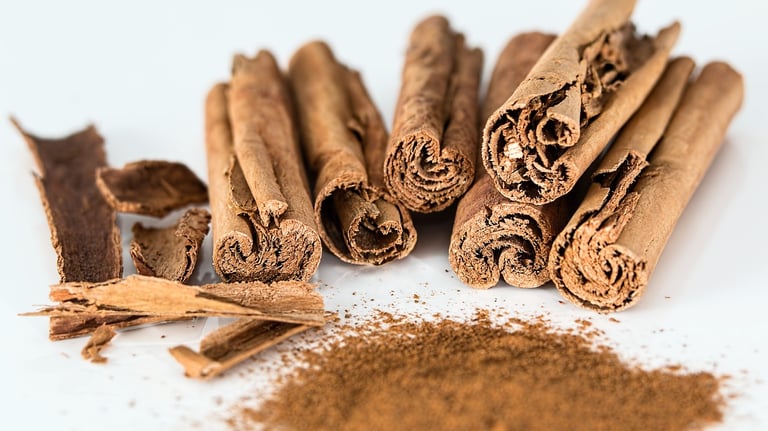
Cinnamon, a fragrant spice derived from the bark of cinnamon trees, has been revered for centuries not only for its flavor but also for its potent healing properties. Cinnamon is often employed to invoke warmth, protection, and purification. It is commonly used in rituals to enhance meditation, and facilitate deeper connections to the divine. Many incorporate cinnamon into teas or potions to attract positive energy and promote emotional balance.



Rosemary
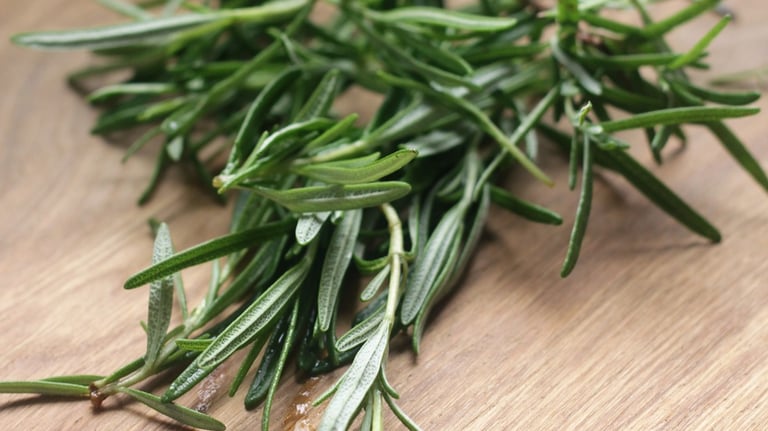
Rosemary is one of the most versatile herbs with a wide array of healing benefits. It stimulates hair growth, improves memory and brain function, reduces liver damage, lowers stress, balances hormones, prevents blood clots, and has anti-inflamatory, antibacterial, and antimicrobial properties. Spiritually it is used for grounding and warding off negative energy. It is also said to aid in protection and gaining clarity.
Wormwood
Wormwood, a potent herb known for its strong aroma and bitter flavor, offers a variety of health benefits that make it a valuable addition to your detox remedies. It is rich in essential nutrients, including vitamins A, C, and E, as well as minerals like iron and magnesium. Traditionally used to stimulate digestion, enhance liver function, and promote the elimination of toxins from the body. Wormwood's bitter compounds may also help in reducing inflammation and combating oxidative stress, making it an effective ally in holistic health practices. Traditionally used in various cultures, this herb is believed to cleanse energy, promote clarity of thought, and elevate spiritual awareness.
Moringa
Moringa, often referred to as the "miracle tree," is packed with essential vitamins and minerals. Moringa leaves are an excellent source of vitamins A, C, and E, which play pivotal roles in boosting immunity. Additionally, its high protein content, alongside substantial amounts of calcium, potassium, and iron, enhances muscle development and supports bone strength. Whether consumed as a powder, tea, or in its raw form, moringa can significantly enhance health and vitality. In traditional Ayurvedic medicine, Moringa is known as a powerful detoxifier and is believed to cleanse the body of toxins, promoting physical and spiritual well-being. Ancient Egyptians used Moringa for its anti-inflammatory properties, applying its leaves for both health and spiritual cleansing rituals.


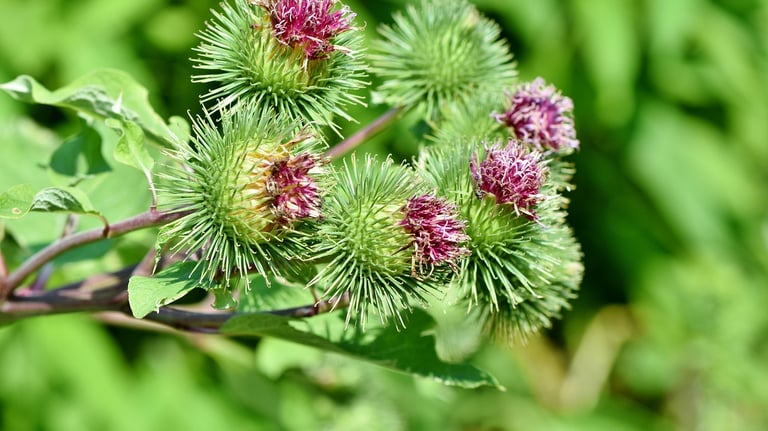
Burdock Root
Burdock root is a powerhouse of nutrition, offering numerous health benefits that contribute to overall well-being. Rich in antioxidants, it helps combat oxidative stress and inflammation, promoting healthier skin and reducing the risk of chronic diseases. The root is also a fantastic source of dietary fiber, which aids in digestion and supports a healthy gut microbiome. Furthermore, burdock root contains essential vitamins and minerals, including potassium, magnesium, and vitamin C, which play vital roles in maintaining bodily functions. Its diuretic properties assist in detoxification, helping to flush out toxins and excess fluids.
Raw Cacao
Raw cocoa is renowned not only for its delightful flavor but also for its myriad of health benefits. Packed with antioxidants, it supports cardiovascular health by improving blood flow and reducing cholesterol. The presence of flavonoids in raw cocoa can enhance mood and cognitive function, making it a natural remedy for stress and anxiety. Additionally, it serves as a source of essential minerals like magnesium and iron. Raw cocoa has deep spiritual significance in various cultures often used in rituals and ceremonies historically the Aztecs and Myans. It is believed to open the heart and create a deeper connection to one’s inner self.
Bay Leaf
Bay leaves, known for their aromatic presence in culinary dishes, also boast a rich history of healing properties and spiritual significance. Traditionally, bay leaves are believed to possess anti-inflammatory and antioxidant qualities, making them a valuable addition to herbal remedies for ailments such as digestive issues and respiratory problems. Many cultures burn bay leaves as part of purification rituals, believing that the smoke helps to cleanse negative energies and promote mental clarity. The act of writing intentions on bay leaves and then burning them is a popular practice for manifesting desires and attracting positive energy.


Lavender
Lavender is known not only for its fragrance but also for its numerous health and spiritual benefits. Traditionally used in aromatherapy, lavender essential oil is believed to alleviate stress, promote relaxation, and improve sleep quality. Its calming properties extend to cultural practices, where it has been employed in rituals and ceremonies to enhance meditation and spiritual awareness. Many cultures have infused lavender in sacred spaces and used it in healing practices promoting emotional well-being and clarity.
Sumac
Sumac is a spice that is known for its tangy flavor and vibrant red color. It is commonly found in Mediterranean and Middle Eastern cuisines, often used as a seasoning for meats, salads, and rice dishes. The health benefits of sumac include its antioxidant properties that may help in reducing inflammation and lowering blood sugar levels. Additionally, it is rich in vitamin C, which is essential for immune health. In culinary applications, sumac can be sprinkled on top of dishes for a burst of flavor and is a key ingredient in za'atar seasoning.
Slippery Elm
Slippery Elm is known for its health benefits, including soothing sore throats, aiding digestion, and reducing inflammation. It is derived from the inner bark of the slippery elm tree, which is native to North America. The tree grows in areas such as the eastern United States and Canada. Traditionally, slippery elm has been used in various forms such as lozenges, teas, and powders to harness its mucilage content that provides a soothing effect on the digestive tract and throat.


Nettle
Nettles are beloved by herbalists for many reasons, making them one of the most valued plants in the world of natural medicine. Not only do nettles strengthen and support the whole body, but they also contribute to building and sustaining energy levels. Their highly nourishing properties are accompanied by an abundant supply of vitamins and minerals, particularly calcium and protein, which play a crucial role in various bodily functions. In addition to their nutritional benefits, nettles are celebrated for their high iron content, rendering them one of the preferred herbs utilized for treating anemia and alleviating corresponding fatigue.
Mugwort
Mugwort has a long history of usage as a herb for spiritual practice including astral travel & divination. It has also been used in acupuncture treatments as well as an incense to cleanse divination tools like crystals, oracle cards & pendulums. The herb is also used to help with anxiety and increase energy, aid with irregular menstruation, digestion, high blood pressure and can be used as a liver tonic.
Blue Lotus
The blue lotus, renowned for its profound symbolism, has been utilized for centuries to enhance astral travel and was widely used in Ancient Egypt as a tea. It is celebrated for its potential benefits in promoting relaxation, alleviating stress, and improving sleep quality. The plant contains alkaloids and flavonoids that may contribute to its calming effects, making it a favored choice for those seeking natural healing. It also serves as a symbol of enlightenment and rebirth.


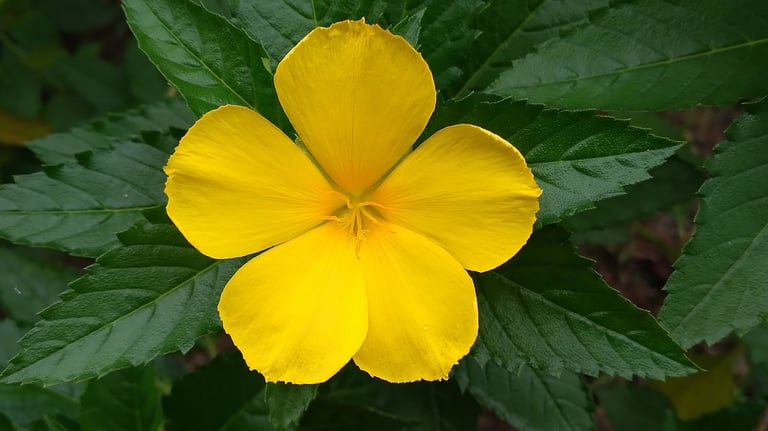
Damiana
Damiana has been traditionally used by indigenous cultures and is known for its ability to enhance mood, reduce anxiety, and boost overall well-being. This herb is often used as an aphrodisiac, promoting sexual health and vitality. Additionally, damiana is believed to help with digestive issues and support hormonal balance. On a spiritual level, it is thought to promote connection with higher energies and facilitate meditation, making it a powerful ally in holistic practices.
African Violet
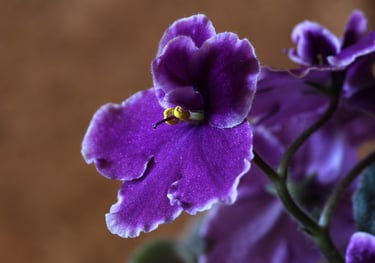
African violets, known for their vibrant blooms, hold significant importance in spiritual practices across different cultures. Traditionally used as a medicine, the leaves and flowers are believed to possess soothing properties that can aid in treating respiratory issues and promoting overall wellness. African violets also symbolize devotion and love, often used in rituals and ceremonies to enhance emotional healing and strengthen personal connections.
Arnica
Arnica flower in traditional medicine is said to be rich in anti-inflammatory properties and is often employed to alleviate pain, reduce bruising, and promote healing injuries and muscle strains. Its topical application can soothe discomfort associated with arthritis and sprains, making it a popular remedy in holistic health. Arnica is also embraced in spiritual rituals, believed to enhance energy and protection during ceremonies.



Chamomile
Chamomile is renowned for its soothing properties and has been a staple in herbal medicine for centuries. This gentle flower is often brewed into teas alleviate anxiety, promote relaxation, and aid in digestion. In spiritual and ritual practices, chamomile is valued for its calming energy and is frequently used in cleansing rituals and sacred spaces. Its aromatic essence enhances meditation and fosters a sense of peace, making it a popular choice for those seeking spiritual connection. Additionally, chamomile is often incorporated into herbal baths.
Cayenne Pepper
Cayenne pepper, known for its vibrant red color and spicy kick, is not only a popular culinary ingredient but also boasts numerous health benefits. Rich in capsaicin, the compound responsible for its heat, cayenne pepper has potent anti-inflammatory and pain-relieving properties. It can help boost metabolism, making it a favored choice for those looking to manage their weight. Additionally, cayenne pepper supports digestive health by stimulating the production of digestive juices and promoting circulation, which can aid in detoxification.
Dandelion
Dandelion is a remarkable plant known for its numerous health benefits. It is commonly found in temperate regions across the world, often growing in gardens, fields, and along roadsides. Historically, dandelion has been used in traditional medicine for centuries, with roots, leaves, and flowers utilized for their therapeutic properties. The leaves are rich in vitamins A, C, and K, as well as minerals like iron and calcium, making them beneficial for overall health. Dandelion root is often used to support liver function and heart health, while the flowers can be made into teas or tinctures that promote relaxation and wellness.


Seaweed
Seaweed is a nutrient-rich marine plant that offers numerous health benefits. It is commonly found in oceans and seas around the world where it has been consumed for centuries. Seaweed is known for its high content of vitamins, minerals, and antioxidants. It is particularly rich in iodine, which is essential for thyroid function, and can help regulate metabolism. Additionally, seaweed contains fiber that aids in digestion and can promote a healthy gut. Historically, seaweed has been used in traditional medicine and as a food source in various cultures, especially in Japan, Korea, and China, where it is often incorporated into dishes like sushi and soups.
Aloe Vera
Aloe Vera, often referred to as the "plant of immortality," has been cherished for its healing properties and spiritual significance throughout history. In ancient Egypt, it was used not only for its medicinal benefits but also in rituals and as a symbol of protection and beauty. The Egyptians believed that Aloe Vera could enhance the afterlife, often using it in embalming processes. In traditional Chinese medicine, Aloe Vera is valued for its ability to cleanse and detoxify the body, promoting overall health. Its soothing gel is often used in rituals to promote healing and emotional balance, reflecting its deep-rooted connection to both physical and spiritual wellness.
Comfrey
Comfrey has traditionally been used to promote the healing of wounds and fractures due to its rich content of allantoin, which aids in cell regeneration. Spiritually, comfrey is often associated with protection and grounding, making it a popular choice in rituals aimed at fostering stability and strength. In some traditions, it is believed that carrying comfrey can enhance one's connection to the earth and promote a sense of inner peace. Additionally, comfrey has been used in herbal practices to support joint health and alleviate inflammation, reflecting its holistic approach to well-being. Many practitioners also incorporate comfrey in meditation rituals to deepen their spiritual practice and enhance their intuitive abilities.


Daisy
Daisy, often associated with purity and innocence, has been revered in various cultures for its spiritual significance. Traditionally, daisies were used in rituals to symbolize new beginnings and the renewal of life. They were often included in offerings to deities, representing hope and the beauty of nature. In herbal medicine, daisies are believed to possess anti-inflammatory properties and can be used to soothe skin irritations. Additionally, they are thought to promote emotional healing, helping individuals to release negative emotions and embrace positivity. The daisy's simple yet profound beauty makes it a beloved symbol in both spiritual practices and natural remedies.
Fenugreek
Fenugreek, often celebrated for its spiritual and health benefits, has been utilized in various cultures for centuries. It is believed to enhance emotional balance and provide protection against negative energies. In ritual practices, fenugreek is commonly used in purification ceremonies, symbolizing strength and resilience. Its seeds are often burned as incense, creating a calming atmosphere conducive to meditation and reflection. Historically, fenugreek has been associated with fertility and abundance, often used in traditional medicine to support various health issues. The essential oil derived from fenugreek is known for its therapeutic properties, aiding in digestive health and promoting overall well-being.
Figs
Figs have been celebrated for their rich flavor and numerous health benefits. Spiritually, figs are often associated with abundance, fertility, and prosperity, making them a significant element in various rituals and cultural practices. In many traditions, figs are used in offerings and ceremonies to invoke blessings and good fortune. Health-wise, figs are known for their high fiber content, which aids digestion and promotes gut health. They are also rich in antioxidants, vitamins, and minerals, contributing to overall well-being. Historically, figs have been utilized in folk medicine for their potential to alleviate ailments such as constipation and respiratory issues. Their sweet, succulent nature and nutritional value have made them a cherished fruit in many cultures, symbolizing nourishment and vitality.


Basil
Basil, often referred to as the "king of herbs," has a rich history in various cultures, particularly in ancient traditions. In many spiritual practices, basil is considered a sacred herb, symbolizing love, protection, and purification. In Hinduism, it is associated with the goddess Tulsi and is often used in rituals and offerings. Ancient Egyptians used basil in their embalming processes, believing it to have protective qualities for the afterlife. Additionally, basil is thought to attract positive energy and is commonly used in blessings and rituals to ward off negativity. Its aromatic properties are also believed to enhance meditation and spiritual clarity, making it a favored herb in various cultural practices.
Spirulina
Spirulina, a blue-green algae, is renowned for its numerous health benefits and spiritual significance. Rich in nutrients, it is often praised for its ability to boost energy levels, enhance immune function, and support overall health. In herbal practices, spirulina is utilized for its detoxifying properties, helping to cleanse the body of toxins and promote a healthy digestive system. Culturally, spirulina has been consumed by various civilizations, including the Aztecs and the Kanembu people of Chad, who recognized its nutritional value and incorporated it into their diets. Its vibrant color and nutrient density have also made it a symbol of vitality and life in many traditions, often associated with spiritual growth and enlightenment.
Chlorella
Chlorella is a nutrient-dense green algae known for its numerous health benefits. It is rich in protein, vitamins, and minerals, making it a popular supplement for overall health. Chlorella is often praised for its detoxifying properties, as it can help remove heavy metals and toxins from the body. Additionally, it supports immune function and may improve cholesterol levels, contributing to heart health. Spiritually, chlorella is associated with cleansing and renewal, often used in herbal practices to promote physical and spiritual well-being. Throughout history, it has been recognized in various cultures for its healing properties, symbolizing vitality and life force. In traditional herbal medicine, chlorella has been utilized to support digestion and boost energy levels, making it a significant element in holistic health practices.


Horsetail
Horsetail, known for its high silica content, is often celebrated for its health benefits, particularly in promoting healthy hair, skin, and nails. This ancient plant has been used in herbal medicine for centuries, with its origins tracing back to ancient Roman and Greek cultures where it was utilized for its healing properties. In herbal practice, horsetail is commonly used as a diuretic, helping to flush out toxins and support kidney health. Its anti-inflammatory properties make it beneficial for joint health and can aid in the healing of wounds. Spiritually, horsetail is associated with resilience and strength, symbolizing the ability to overcome challenges. In various cultures, it has been used in rituals to promote growth and renewal, reflecting its ability to thrive in diverse environments.
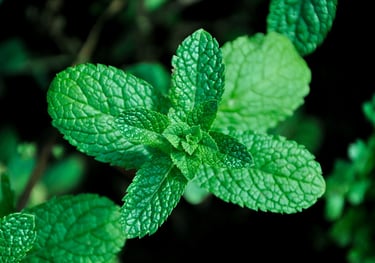
Mint
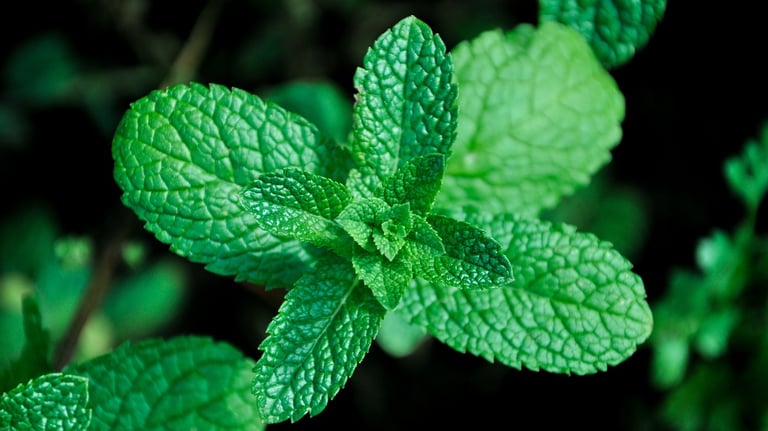
Mint is a refreshing herb that offers several health benefits and boasts impressive nutritional content. Rich in vitamins A and C, as well as essential minerals like iron and manganese, mint supports overall health. Its anti-inflammatory and antioxidant properties help combat oxidative stress in the body, promoting better immunity and reducing the risk of chronic diseases. Additionally, mint aids digestion by soothing the gastrointestinal tract, alleviating symptoms of indigestion, and enhancing appetite.
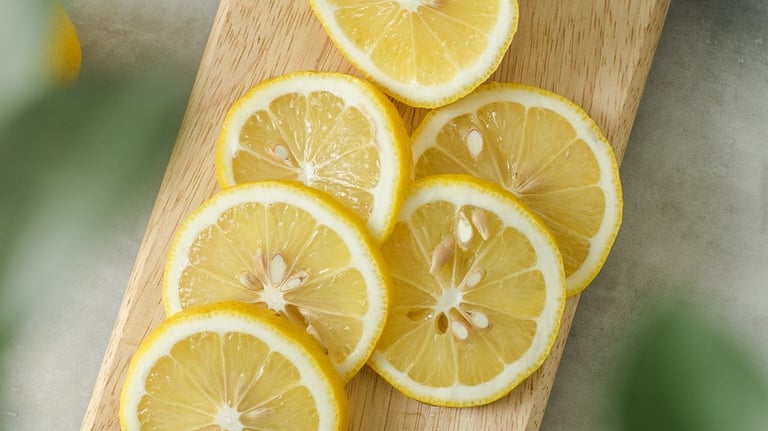
Lemon
Lemons are a powerhouse of nutrition, packed with essential vitamins and minerals that offer numerous health benefits. Rich in vitamin C, they bolster the immune system, making the body more resilient against infections. The antioxidants found in lemons help combat free radicals, reducing inflammation and lowering the risk of chronic diseases. Their high citric acid content aids digestion by enhancing the absorption of nutrients and preventing kidney stones.



Olive Oil
Olive oil is widely celebrated not only for its rich flavor but also for its numerous health benefits. Packed with monounsaturated fats, particularly oleic acid, it helps reduce inflammation and is associated with a lower risk of heart disease. Its high antioxidant content, including vitamin E and polyphenols, protects the body from oxidative stress and supports overall health. Regular consumption of olive oil has been linked to improved cholesterol levels, enhancing cardiovascular well-being.
Always consult with a health practitioner before taking any herbal remedy for health improvement. The data provided is for informational purposes only.


